Ontario Volunteer Hours 2026: OSSD Requirements, New Rules and How to Make Them Count
Why Your Volunteer Hours Matter More Than Ever
What if your high school volunteer hours could do more than just help you graduate—what if they could shape your future?
For years, the 40-hour community involvement requirement for the Ontario Secondary School Diploma (OSSD) has been seen as a simple checklist item. But in 2026, that perspective is quickly changing. With new provincial recognition programs and an increasing emphasis on real-world experience, volunteer hours are now becoming one of the most valuable—and often overlooked—tools students have to stand out.
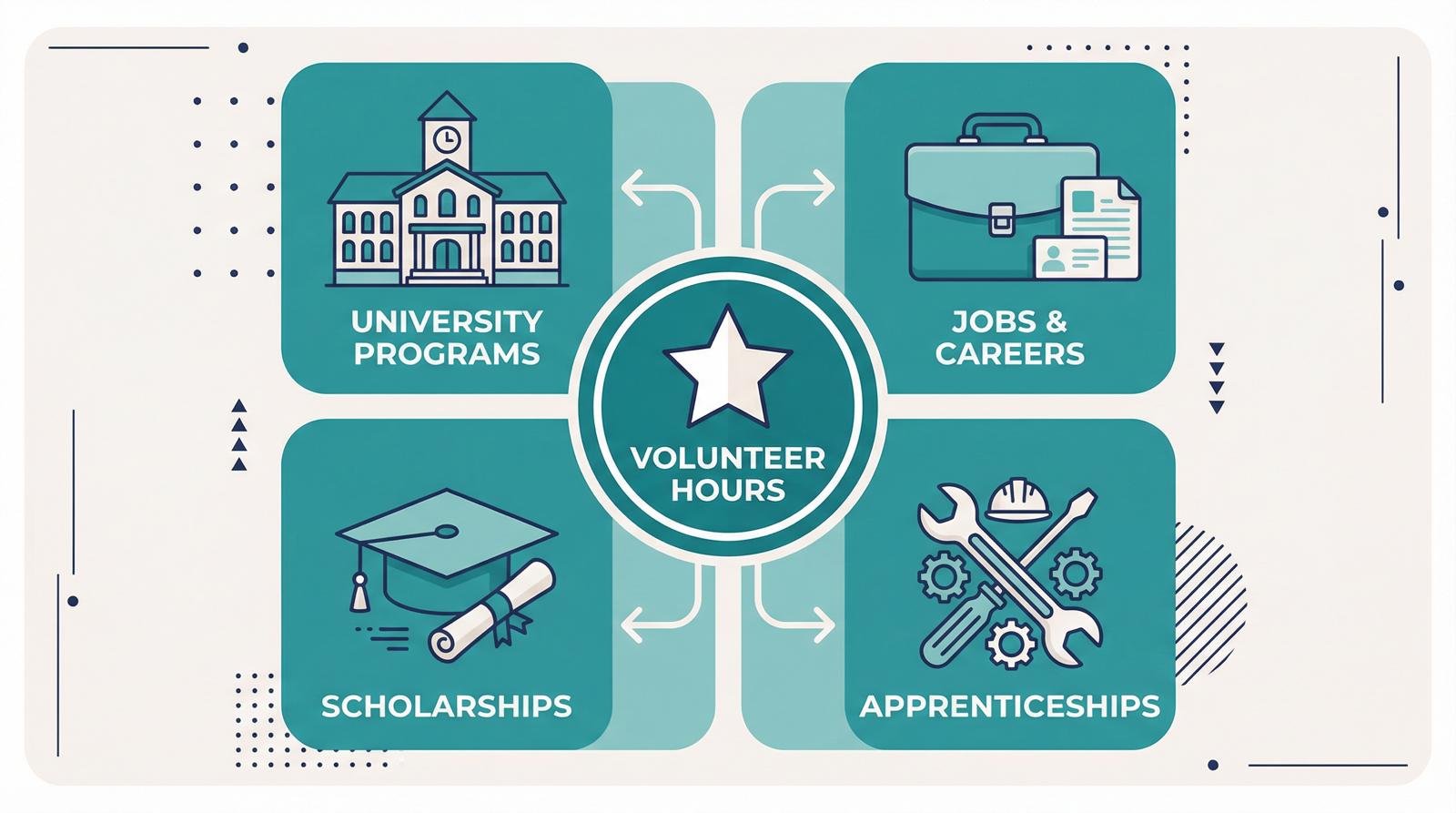
In today’s competitive academic and career landscape, grades alone are no longer enough. Universities, employers, and scholarship committees are looking for students who demonstrate initiative, leadership, and a commitment to their communities. This is exactly where strategic volunteering makes a difference.
By approaching community involvement with intention, students can transform a basic graduation requirement into a powerful foundation for future success.

What Are Ontario Volunteer Hours? (OSSD Requirement Explained)
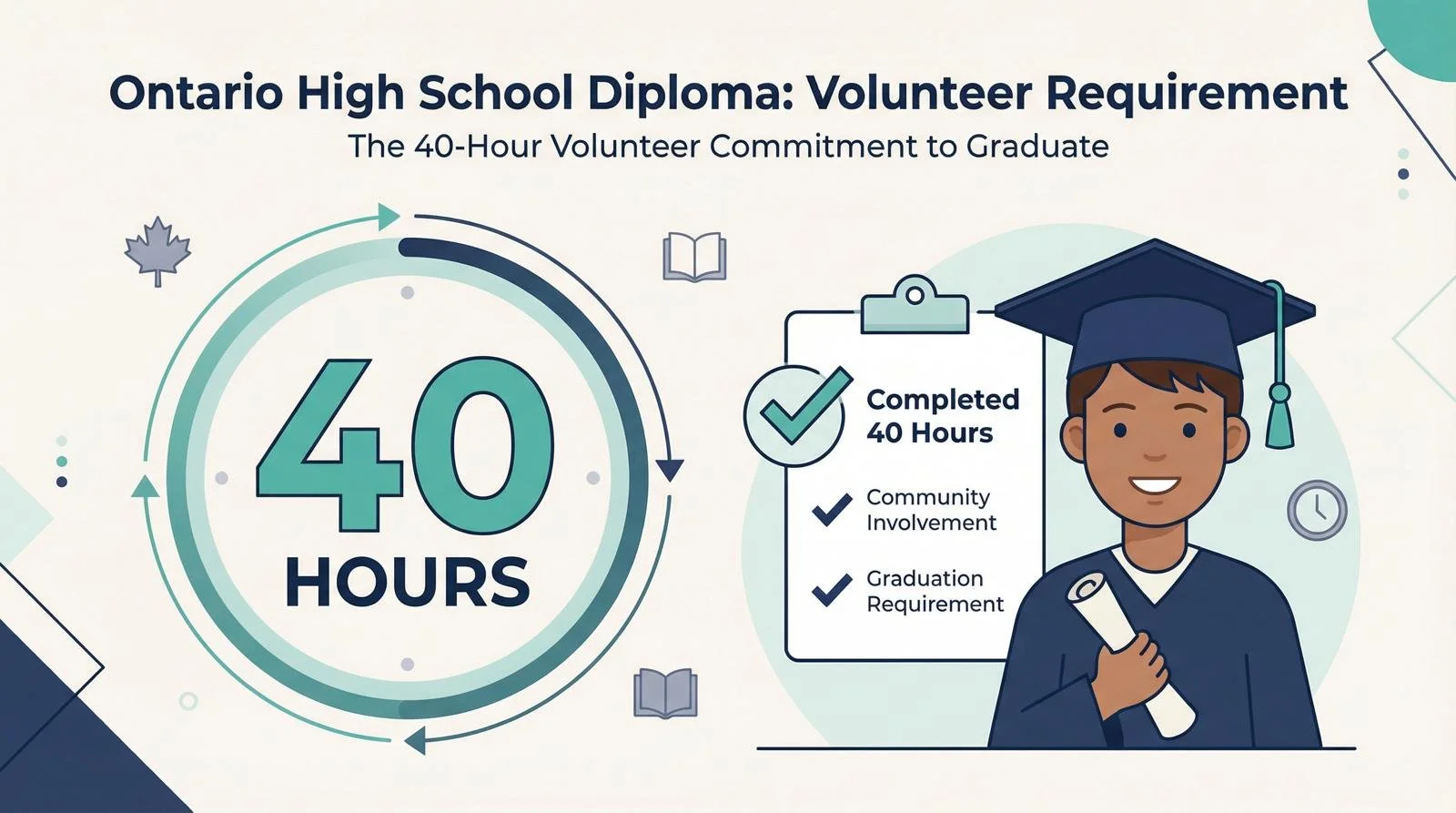
To earn an OSSD, students must complete at least 40 hours of community involvement outside of regular instructional time.
Students can begin accumulating these hours as early as the summer before Grade 9.
Eligible activities include:
Participation in community events and local initiatives
Supporting non-profit organizations and charitable causes
Assisting with school programs such as peer mentoring or event coordination
Completing approved virtual or remote volunteer roles
These experiences are designed to help students develop responsibility, community awareness, and valuable life skills.
What’s New in 2026: Volunteer Achievement Certificates
A major update is the introduction of the Volunteer Achievement Certificate Program.
Students can now earn:
Bronze Certificate: 50–99 hours
Silver Certificate: 100–199 hours
Gold Certificate: 200+ hours
These certificates provide formal recognition and strengthen academic and extracurricular profiles.
Why High School Volunteer Hours Matter in Ontario
Volunteer hours are more than a requirement—they are a strategic advantage.
1. Building Transferable, Real-World Skills
Through meaningful community involvement, students develop essential skills such as:
Communication and interpersonal skills
Teamwork and collaboration
Leadership and initiative
Problem-solving and adaptability
These competencies are critical not only in academic settings but also in future careers.
2. Strengthening Post-Secondary Applications
Universities and colleges are increasingly looking for well-rounded applicants.
Volunteer experience demonstrates:
Initiative beyond academics
Commitment to personal growth
Engagement with the community
Students who can showcase meaningful involvement often stand out in competitive admissions processes.
3. Gaining Early Career Exposure
For many students, volunteering serves as their first introduction to structured work environments.
It helps them:
Build confidence in professional settings
Understand expectations in real-world roles
Explore potential career paths early
This early exposure can play a key role in shaping future academic and career decisions.
Choosing Volunteer Opportunities That Align With Your Goals
To maximize the value of your Ontario volunteer hours, it’s important to choose opportunities that align with your interests and long-term goals.
For example:
Healthcare Pathways: Volunteering at hospitals or community health programs
Business & Leadership: Assisting with event planning, marketing, or administrative tasks
Education & Mentorship: Tutoring younger students or supporting youth initiatives
When students choose roles strategically, they not only gain hours—they build a clear and focused personal profile.
How to Make Your Volunteer Hours Truly Count
Completing hours is one thing—making them meaningful is another.
✔ Focus on Contribution, Not Just Completion
Think about the value you bring and the skills you develop, rather than simply tracking hours.
✔ Demonstrate Long-Term Commitment
Consistent involvement with one organization often reflects stronger dedication than multiple short-term roles.
✔ Keep Detailed and Accurate Records

Students should carefully track:
Organization name
Dates and total hours
Supervisor contact information
Accurate documentation ensures validation and supports future academic or job applications.
Presenting Volunteer Experience Professionally
Volunteer work should be presented with the same level of professionalism as paid experience.
When including it on a resume or application, highlight:
Specific roles and responsibilities
Measurable contributions
Skills gained
Examples:
Organized and supported community initiatives
Assisted in team coordination and event execution
Led group activities and contributed to program planning
A well-structured presentation can significantly strengthen applications.
Turning Volunteer Experience Into Long-Term Success
The true impact of volunteering lies in reflection and application.
Students should consider:
What skills they developed
How their experiences connect to future goals
For instance, volunteering in a healthcare environment can demonstrate empathy and communication—key qualities for medical or health-related fields.
When used effectively, volunteer hours become more than a requirement—they become a foundation for future success.
How Aubrey Academy Supports Student Success
At Aubrey Academy, students are supported in approaching volunteer hours strategically—not just as a requirement, but as an opportunity.
This includes:
Guidance in selecting meaningful opportunities
Flexibility to balance volunteering with academics
Support in presenting experiences for post-secondary applications
With a personalized and flexible learning model, students are better positioned to maximize both their academic and extracurricular achievements.
From Requirement to Opportunity
Ontario’s volunteer hour requirement has evolved into something far more valuable than a graduation checklist.
By starting early, making intentional choices, and focusing on meaningful experiences, students can transform their community involvement hours into a powerful advantage for their academic and professional future.
Contact us to discover volunteer opportunities today!